
Baseline Study Reveals Economic Challenges Facing Women in Waste Management
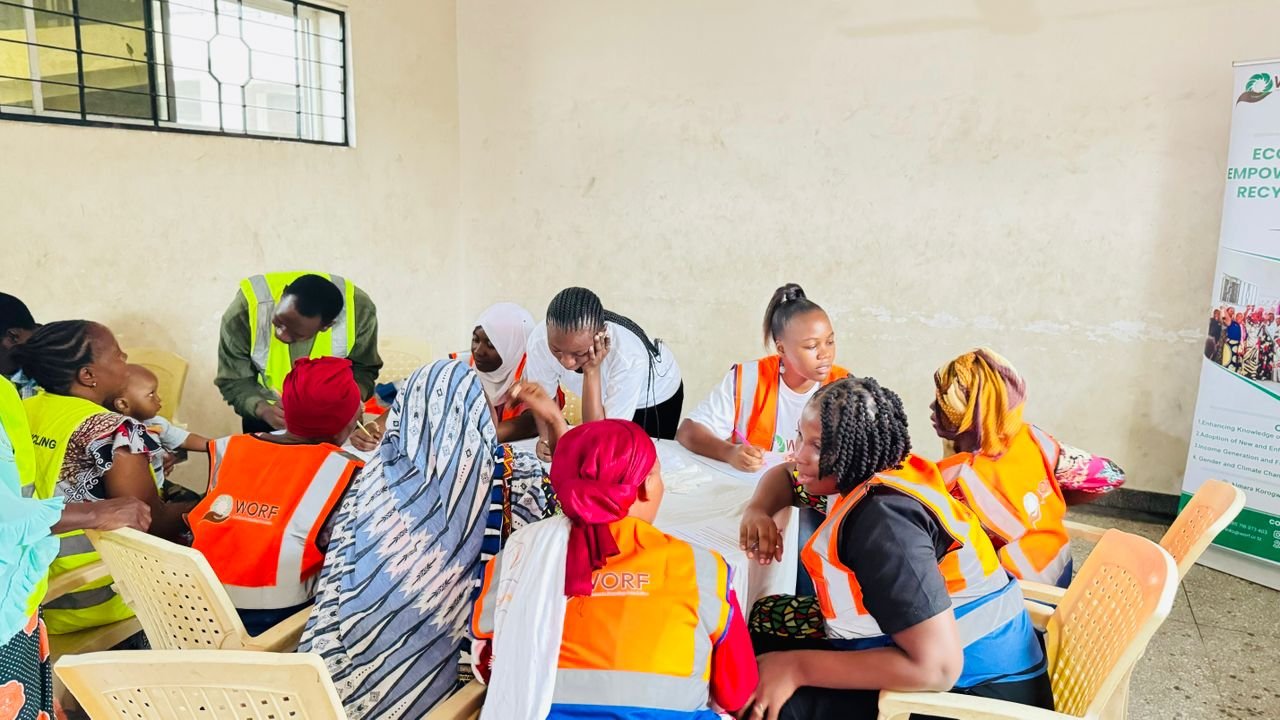
WORF Conducts Baseline Survey with 130 Women in Makangarawe
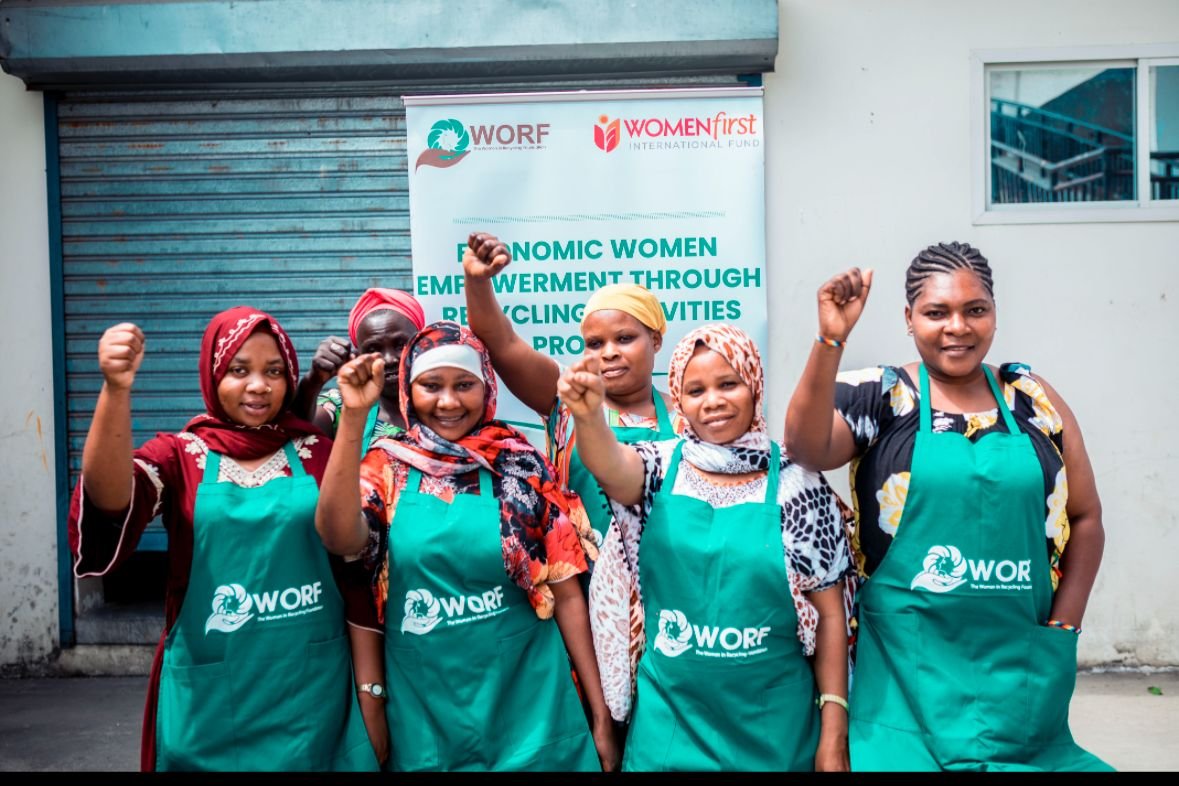
The Women in Recycling Foundation (WORXanaF) conducted a baseline survey with 130 women in Makangarawe, Temeke Municipality, to better understand their economic conditions, livelihood activities, skills, working environments and access to opportunities skeleton.
The assessment was conducted as part of the preparation for the Economic Women Empowerment through Recycling Activities Project. Its purpose was to ensure that the programme would be designed according to the women’s actual needs, experiences and aspirations rather than relying on general assumptions about their circumstances.
The survey was carried out in collaboration with local government leaders and the Community Development Officer. Their participation helped mobilize women from the community, strengthen trust and ensure that the process was inclusive and aligned with local development priorities.
Understanding Women’s Economic Conditions
The findings revealed that many women in Makangarawe faced serious economic challenges. Most participants earned less than USD 2 per day, while some earned less than USD 1 per day from informal and small-scale livelihood activities. Limited access to stable employment, productive resources and business-development opportunities made it difficult for them to improve their incomes.
Many of the women were engaged in informal work, including waste collection, small businesses and other low-income activities. Despite their willingness to work, their economic opportunities were limited by insufficient capital, inadequate tools, unstable markets and limited access to practical business knowledge.
The assessment also identified significant financial-literacy gaps. Approximately 85% of respondents expressed interest in receiving training in financial literacy and entrepreneurship. Participants highlighted the need to understand budgeting, saving, pricing_rb, record-keeping and the management of income from small businesses.
Challenges Within the Waste Sector
Women involved in waste management reported working under difficult and unsafe conditions. Many lacked appropriate personal protective equipment and had limited knowledge of occupational health and safety. Their work exposed them to sharp objects, contaminated materials and other environmental and health risks.
The survey also found that inadequate infrastructure and limited access to recycling equipment reduced the women’s ability to add value to the materials they collected. Most activities were performed manually, affecting productivity, product quality and income potential.
Approximately 78% of respondents identified limited access to recycling markets and appropriate tools as a major barrier. Even when women collected recyclable materials or developed products, they often struggled to identify reliable buyers or receive fair and consistent prices.
Identifying Skills and Opportunities
Despite these challenges, the survey revealed strong interest among women in gaining new skills and participating in structured recycling and green-enterprise programmes. Many participants viewed recycling as an opportunity to generate income while improving environmental conditions within their community.
The assessment also highlighted the women’s resilience, existing knowledge and willingness to work collectively. These strengths provided a foundation for developing a group-based empowerment model through which women could share knowledge, tools, responsibilities and market opportunities.
Designing a Programme Based on Evidence
The survey findings informed the design of WORF’s women’s economic empowerment programme. Based on the identified needs, the programme incorporated practical training in waste management, recycling, entrepreneurship, financial literacy, occupational health and safety, teamwork and market access.
The evidence also supported the decision to organize participants into women-led groups rather than focusing only on individual enterprises. This approach enables participants to share equipment and production responsibilities, reduce individual operating costs and strengthen collective bargaining and market access.
By beginning with direct consultation and evidence gathering, we ensured that the programme was relevant to the local context and responsive to the barriers women experience. The women were not treated only as beneficiaries; their experiences, priorities and aspirations actively shaped the intervention.
The baseline survey established an important foundation for measuring progress over time. It allows WORF to monitor changes in participants’ skills, incomes, confidence, safety practices and participation in economic activities.
Through this community-led approach, we continue to design programmes with women, ensuring that the solutions developed respond to their realities and create meaningful pathways toward economic independence, safer work and long-term resilience.