
50 Women Trained to Transform Glass Waste into Marketable Products
Fifty Women Trained to Transform Glass Waste into Marketable Products
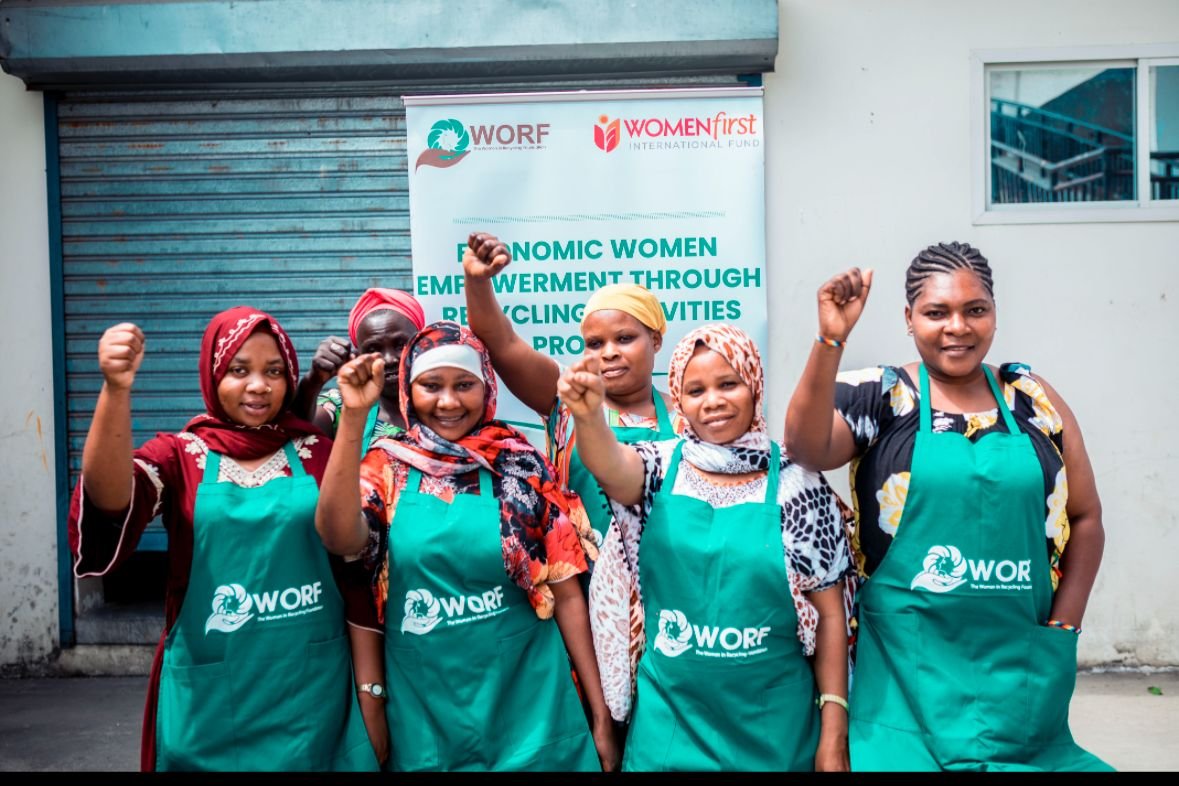
The Women in Recycling Foundation (WORF) successfully implemented a two-month glass upcycling programme in Makangarawe, Dar es Salaam, supporting 50 women to transform discarded glass into useful and marketable decorative products.
The programme was developed in response to two interconnected challenges: the growing accumulation of glass waste within urban communities and the limited economic opportunities available to women from underserved households. Discarded glass is often left in open spaces, drainage systems and informal dumping areas, where it creates environmental and public-health risks. At the same time, many women have limited access to practical green skills, equipment, markets and opportunities to generate sustainable income.
Through hands-on training, mentorship and peer learning, participants were introduced to the complete glass upcycling process. This included the safe collection, sorting, cleaning and preparation of discarded glass, followed by product design, decoration, finishing and quality improvement. Occupational health and safety was emphasized throughout the programme to ensure that participants understood how to handle glass responsibly and reduce the risk of injuries.
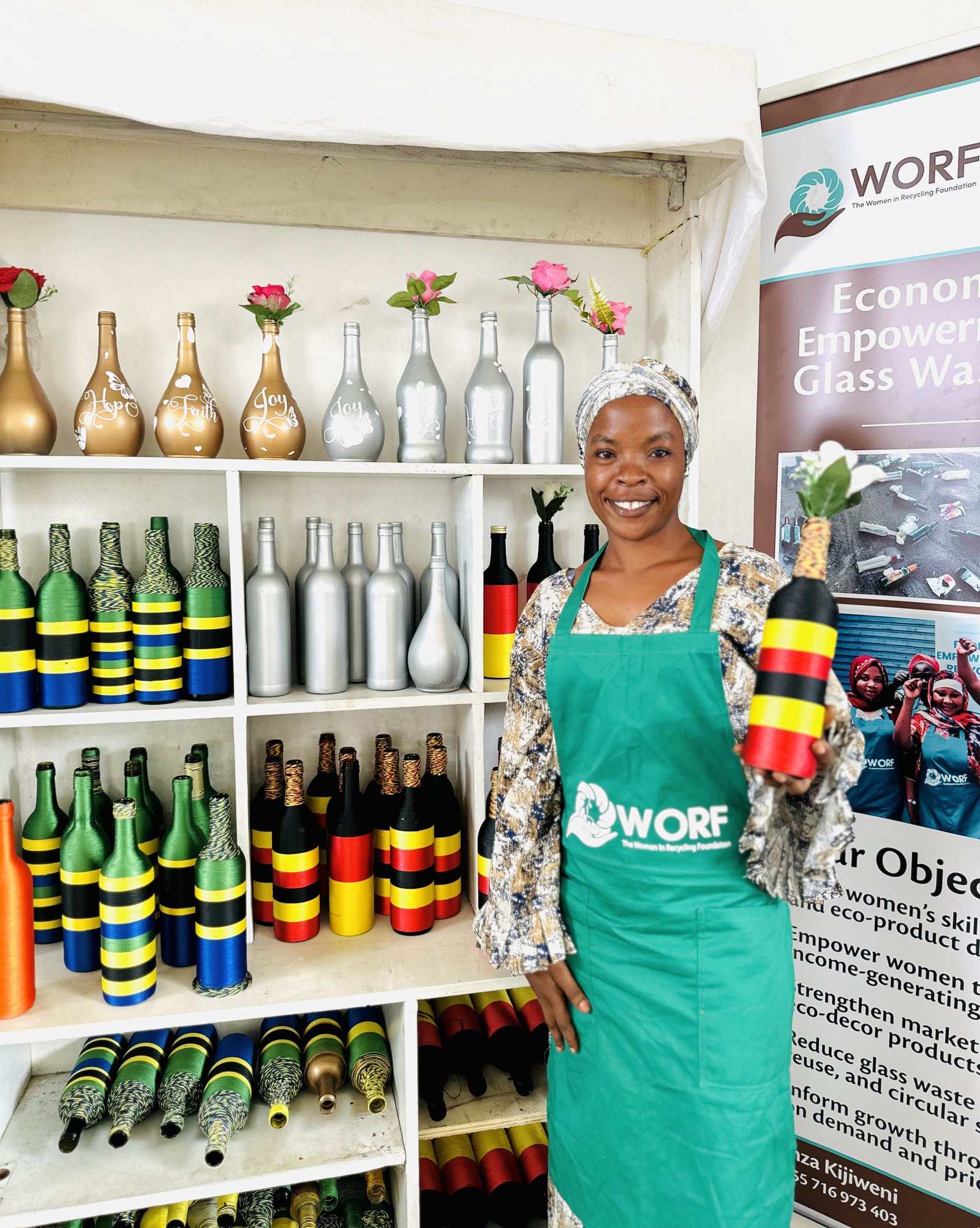
The women learned to transform discarded bottles and other glass materials into decorative items such as flower vases, home accessories and customized products for events and personal use. More than 1,000 pieces of glass waste were collected and transformed during the programme, demonstrating how materials commonly treated as waste can become valuable resources.
The programme went beyond technical production skills. Participants also received basic entrepreneurship training covering product costing, pricing, customer identification, record-keeping, branding and marketing. This enabled them to understand how their newly acquired skills could be developed into individual or group-based income-generating activities.
Working collaboratively also allowed the women to share ideas, improve their designs and support one another throughout the learning process. The practical, learn-by-doing approach helped participants build confidence and recognize their ability to contribute to both household income and environmental protection.
Following the training, WORF continues to support the women through mentorship, product development and efforts to establish stronger market connections. The next phase will focus on improving product quality, strengthening branding and packaging, expanding production and connecting the women with exhibitions, buyers and other market opportunities.
The programme demonstrates that glass waste is not only an environmental challenge but also an economic resource. By equipping women with locally relevant skills and supporting them to move from training into production and enterprise development, we are creating pathways toward sustainable livelihoods while promoting cleaner and safer communities.
This initiative was implemented with support from the Women First International Fund, whose partnership continues to strengthen women-led environmental solutions and economic empowerment at the community level.